22 Sep 2026
Mechanics of Slot Multipliers Coordinating Payout Schedules with Loyalty Tier Advances in Mobile Applications
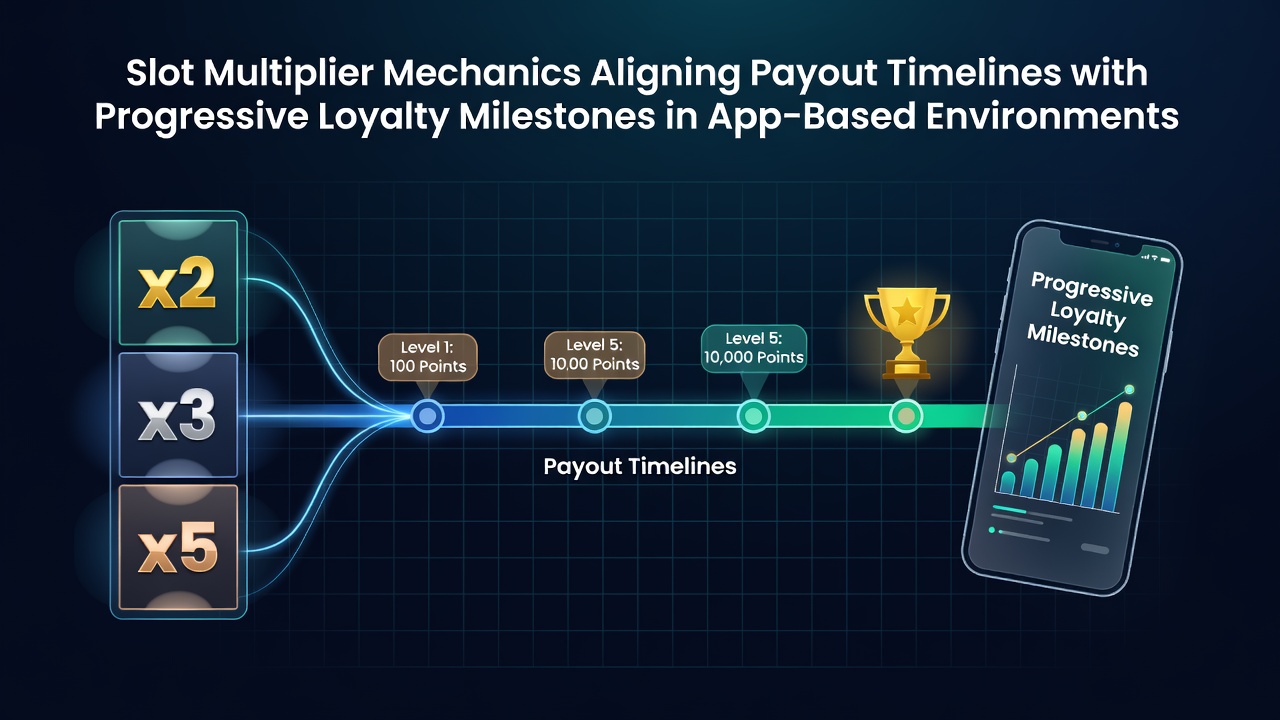
Slot multiplier systems in app-based environments operate through algorithmic structures that scale base payouts by predetermined factors, and these factors often trigger at specific intervals tied to user activity logs. Data from industry reports indicates that such mechanics adjust reward values while users accumulate points toward progressive loyalty milestones, creating synchronized timelines where multiplier activations coincide with tier advancements in the application database.
Developers implement these alignments using timestamped event trackers that record both spin outcomes and loyalty point accruals simultaneously. Research from the University of Nevada, Las Vegas shows how backend servers process multiplier events in real time, ensuring that when a payout window closes, the corresponding loyalty update reflects the scaled reward amount without separate processing cycles. This coordination reduces latency in app environments where users expect immediate feedback on both financial returns and status progression.
Core Components of Multiplier Systems
Multipliers function through random number generators calibrated to hit thresholds at rates documented in technical specifications, and these thresholds link directly to payout calculation routines that feed into loyalty tracking modules. Observers note that in many applications the multiplier value applies after the base win determination, which allows the system to update user profiles with adjusted point totals in a single transaction block. Studies from the Nevada Gaming Control Board highlight that such designs maintain compliance wth fairness standards while supporting loyalty frameworks that advance users through tiers based on cumulative activity rather than isolated wins.
Progressive milestones typically require users to reach point thresholds that unlock higher reward rates, and multiplier mechanics often accelerate this process by boosting the points awarded per qualifying spin. Those who have examined app architectures find that payout timelines stretch or compress depending on whether a multiplier activates during a session, because the system logs the enhanced amount against the user's ongoing loyalty counter. This creates a feedback loop where early multiplier hits can shift milestone completion dates forward by days or weeks in active user accounts.
Integration with Loyalty Progression
Applications connect multiplier events to loyalty databases through shared APIs that update both payout ledgers and tier status fields concurrently. Evidence from gaming analytics platforms reveals that alignment occurs when the application calculates loyalty points using the post-multiplier win value, which means users reach milestones faster during high-multiplier periods. As of September 2026 several platforms expanded these features to include dynamic timeline adjustments that reflect real-time multiplier frequency data collected across user segments.
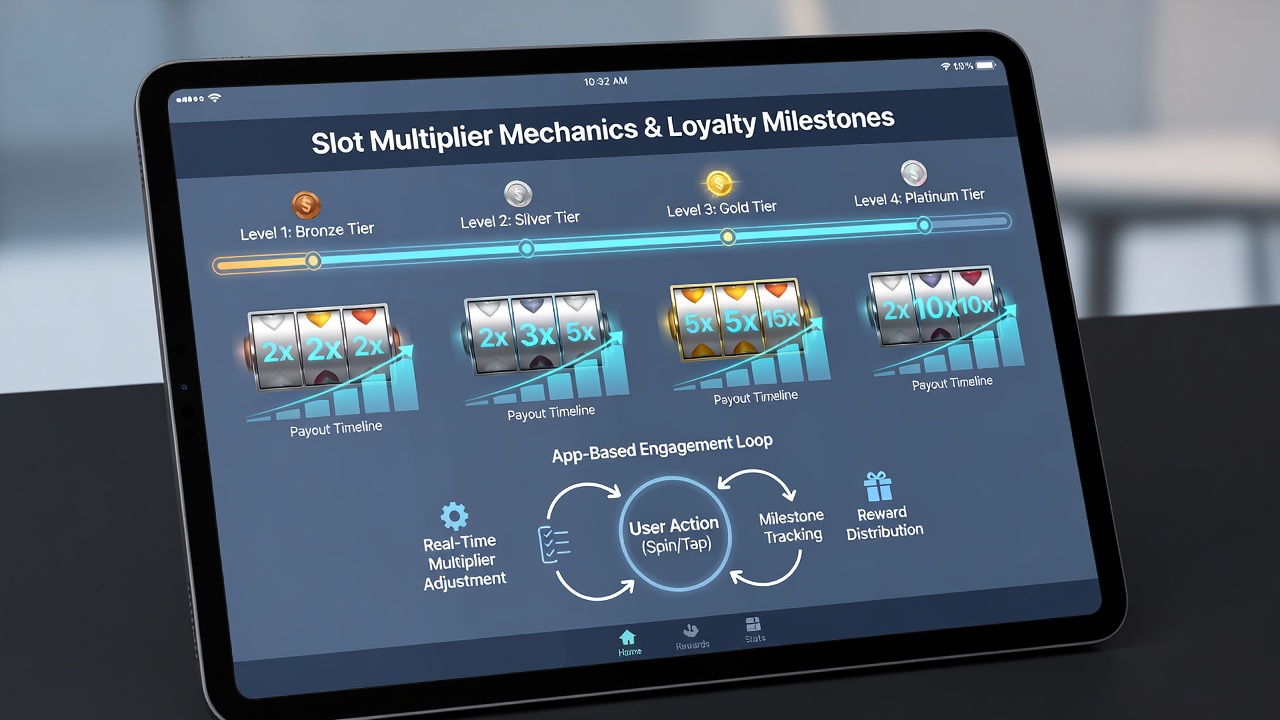
Developers use conditional logic to verify that payout processing and loyalty updates occur within the same operational cycle, preventing discrepancies that could arise from separate batch jobs. Researchers at academic institutions studying digital gaming have documented cases where misalignment led to delayed tier advances, prompting refinements that tie multiplier triggers more tightly to loyalty milestone clocks. The result appears in applications where users see both their payout credited and their progress bar advance in one interface refresh.
Technical Implementation Details
App environments rely on cloud-based synchronization protocols that handle the volume of simultaneous multiplier and loyalty events without data loss. Figures from industry associations indicate that optimized systems process these combined operations in under 200 milliseconds on average, maintaining smooth user experiences across varying network conditions. When a multiplier scales a payout, the application immediately recalculates the loyalty points using the new total before committing the transaction to the central server.
Progressive loyalty structures often incorporate time-based decay or bonus periods that interact with multiplier availability, creating layered timelines for milestone achievement. Data indicates that users who encounter multipliers during promotional windows complete tiers at measurably higher rates than those who do not, because the point multipliers compound with the base accrual rate. This interaction stays governed by rules encoded in the app's rule engine, which references both payout logs and loyalty histories to determine eligibility.
Observed Patterns Across Platforms
Analyses of multiple applications show consistent use of multiplier mechanics to support loyalty retention goals, with payout timelines adjusted to match the cadence of milestone announcements within the interface. Those examining user behavior datasets note that alignment reduces churn by providing visible connections between spin results and status gains. External reports from regulatory bodies in regions such as Australia confirm that transparent multiplier and loyalty integration helps maintain trust in app-based gaming systems.
Further refinements include predictive adjustments where the application anticipates upcoming multipliers based on historical patterns and pre-positions loyalty milestone notifications accordingly. This approach keeps users informed about potential timeline shifts without requiring manual checks, and it relies on aggregated data rather than individual session details to preserve privacy standards.
Conclusion
Slot multiplier mechanics that align payout timelines with progressive loyalty milestones represent a coordinated feature set in app-based environments, supported by synchronized data processing and documented in various technical and regulatory sources. These systems continue to evolve through updates that refine timing accuracy and point calculation methods while adhering to established standards across different jurisdictions.