7 Aug 2026
Live Dealer Engagement Trends Driving Reward Program Advancement
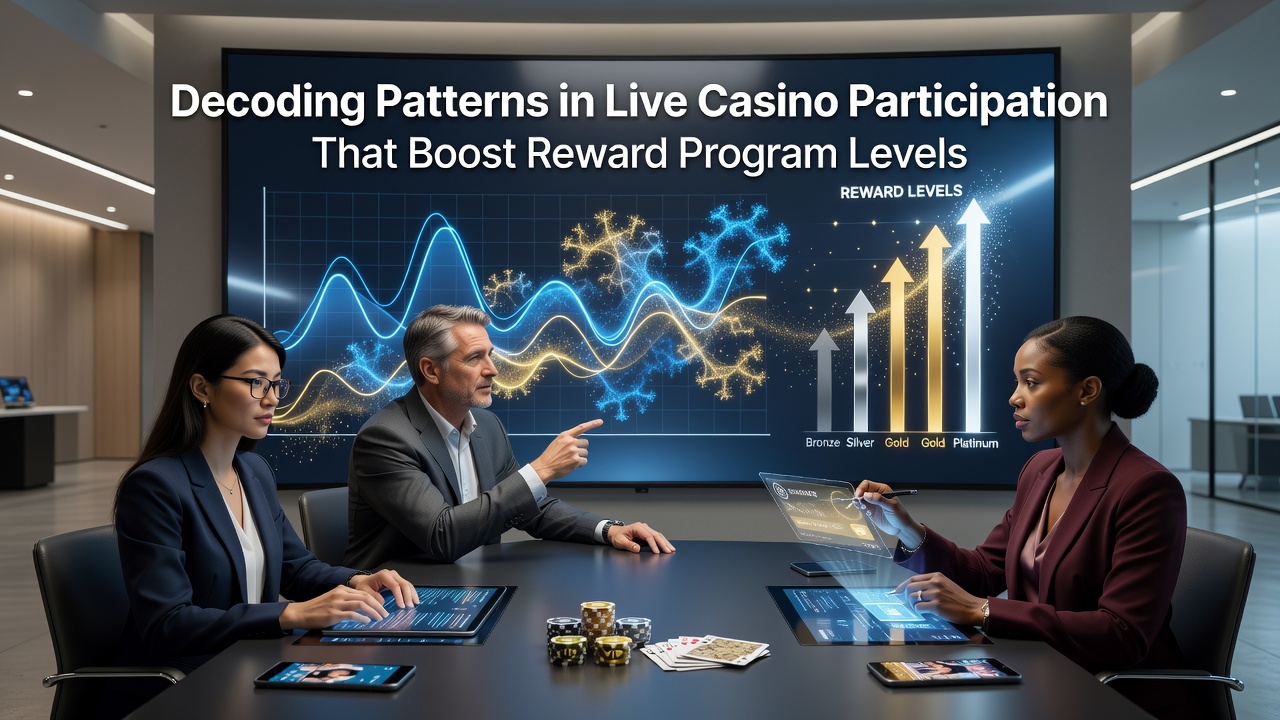
Observers note that live casino participation follows distinct behavioral sequences where consistent session timing and bet structuring correlate with faster movement through reward tiers, and data from multiple operators shows these sequences often involve extended periods at tables like blackjack and roulette rather than scattered short visits.
Session Duration and Frequency Metrics
Research from industry tracking platforms indicates that players who maintain sessions exceeding 45 minutes multiple times per week accumulate loyalty points at accelerated rates, while figures reveal that those logging in during evening peak windows in regions such as the United States achieve higher tier thresholds compared to sporadic daytime participants.
Studies conducted by the Nevada Gaming Control Board highlight how repeated weekly engagement patterns create compounding effects on reward multipliers, and analysts point out that operators adjust point allocation algorithms based on these sustained activity clusters rather than one-off large bets alone.
Game Selection and Bet Structuring Approaches
Participation data demonstrates that individuals focusing on live dealer variants with side bet options tend to reach elevated program levels more rapidly, since these choices often generate additional point credits per round. Those who've studied operator systems find that moderate bet progression within single sessions, rather than erratic spikes, aligns with the criteria used for tier evaluations in many programs.
What's notable is how certain patterns in roulette and baccarat live streams produce measurable uplifts in reward velocity, and reports from the Australian Communications and Media Authority confirm similar trends across regulated platforms where structured play sequences trigger automatic status reviews.
Timing and Platform Interaction Factors
August 2026 records from cross-border gaming analyses show increased tier advancements among users who combine live casino rounds with mobile app check-ins during promotional windows, and these combined behaviors result in bonus point allocations that push participants past intermediate levels. Observers have documented how real-time dealer interactions, including chat participation and table selection consistency, feed into proprietary scoring models that prioritize engagement depth over raw volume.
Patterns involving consecutive day logins paired with varied game rotation further support progression, whereas isolated high-stakes attempts without follow-through rarely produce equivalent outcomes according to aggregated operator datasets.
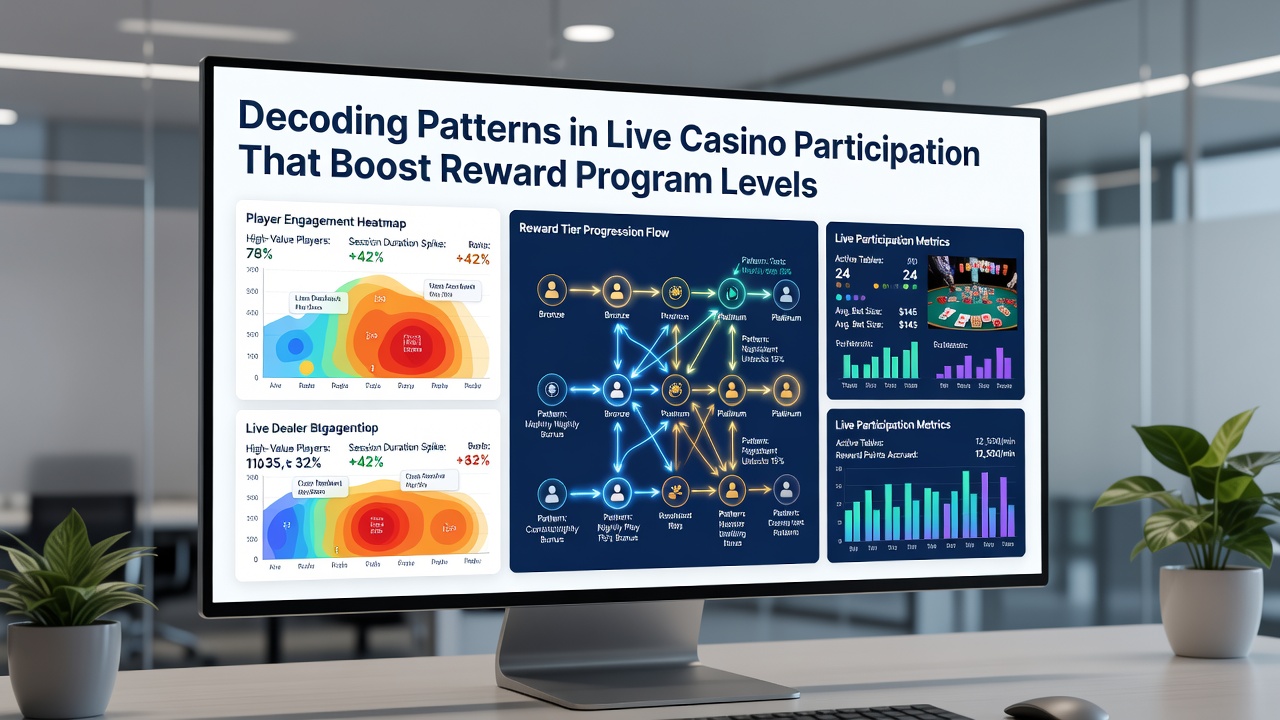
Regional Data Variations and Operator Adjustments
European regulatory summaries from bodies outside the UK indicate that live casino reward systems in several jurisdictions now incorporate machine learning to detect recurring participation motifs, and these systems grant tier boosts when patterns match predefined thresholds for frequency and diversity. Canadian provincial reports similarly note that players exhibiting steady multi-table participation across live formats experience quicker status elevations than those limited to single-game focus.
Industry organizations such as the European Gaming and Betting Association have compiled figures showing that reward program algorithms reward cross-session continuity, which explains why certain demographic groups advance faster when their activity aligns with these detected sequences.
Conclusion
Comprehensive review of participation records across multiple markets establishes that specific combinations of session length, game variety, timing consistency, and interaction style reliably correlate with reward program advancement, and operators continue refining detection methods to identify these patterns as they emerge in real time. Data from government agencies and academic-linked research continues to map these connections without relying on isolated events, providing operators with frameworks to structure tier criteria around observable behavioral clusters.