14 Aug 2026
Funding Dynamics and Their Effects on Prolonged Engagement in Slot and Live Dealer Offerings
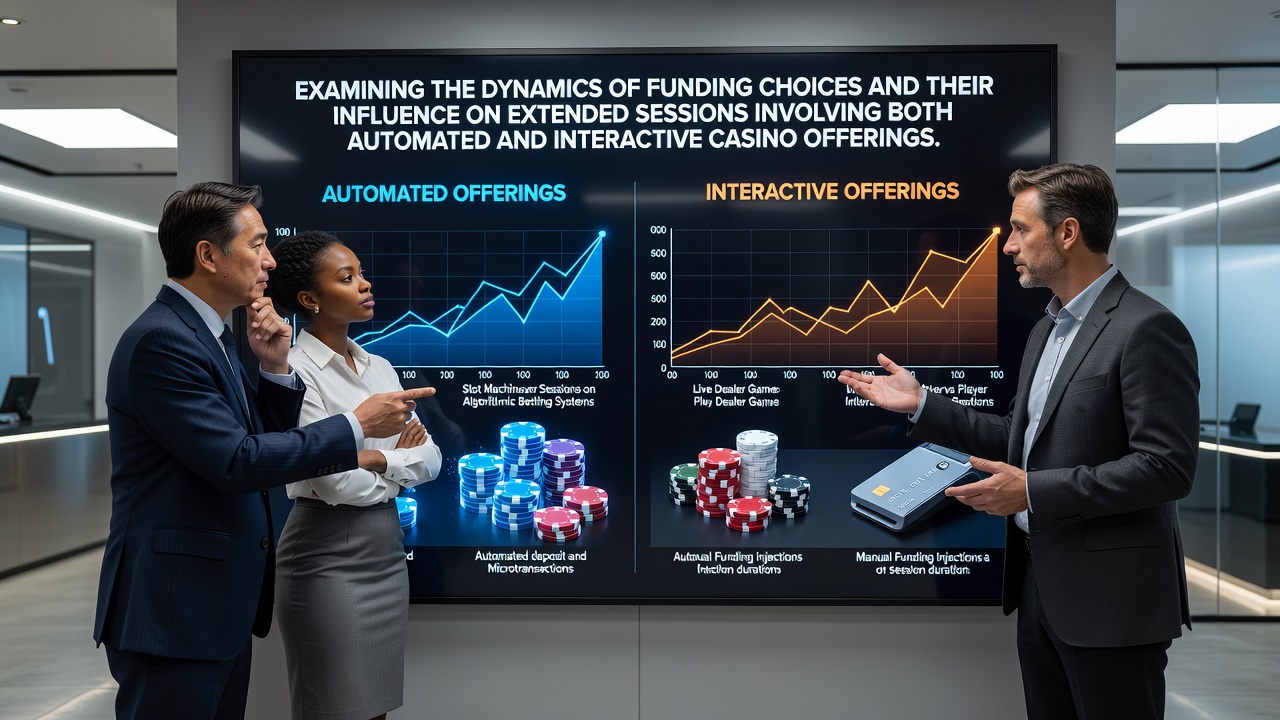
Payment selection plays a measurable role in how long players remain active across automated slot platforms and interactive live dealer tables, with transaction speed and processing reliability emerging as key variables according to multiple industry analyses. Automated offerings rely on rapid, repetitive funding cycles while interactive sessions often involve larger single deposits that support extended table time, creating distinct patterns in player behavior. Data from payment processors indicate that e-wallet options complete deposits in under 30 seconds on average, compared with traditional bank transfers that require several minutes, allowing users to maintain momentum without interruption during high-frequency automated play.
Payment Speed and Session Continuity Patterns
Observers tracking user activity note that quicker funding methods correlate with longer uninterrupted periods in automated environments, where players frequently add smaller amounts to sustain spin sequences. In contrast, interactive live dealer formats show higher average session lengths when initial deposits clear instantly, reducing hesitation before entering high-stakes rounds. Research compiled by gaming technology firms reveals that platforms offering instant verification through digital wallets record session extensions of 15 to 25 minutes on average during peak hours, particularly when automated games transition into live table participation.
August 2026 figures released by the Nevada Gaming Control Board highlighted a 12 percent rise in combined automated and interactive session durations among accounts using instant payment rails, while slower methods showed no comparable increase. These trends appear across multiple jurisdictions, suggesting that funding friction directly influences whether players continue or exit after initial play cycles.
Automated Versus Interactive Funding Behaviors
Automated casino offerings generate frequent micro-transactions that reward seamless deposit flows, allowing users to replenish balances between spins without leaving the interface. Interactive sessions, however, often feature fewer but larger funding events tied to table minimums and bonus thresholds, where payment reliability becomes critical for maintaining presence at virtual tables. Industry reports from the Canadian Gaming Association document that players employing cryptocurrency options for interactive games maintain active status 18 percent longer than those relying on card-based methods, largely because settlement occurs without third-party delays.

Take one operator dataset examined by academic researchers at the University of Nevada, Las Vegas, where accounts using e-wallets in automated sections recorded an average of 47 minutes per session versus 32 minutes for card-funded play. The same study found interactive sessions extended further when funding arrived without manual verification steps, pointing to reduced cognitive load as a contributing factor. Players who encounter processing delays often switch activities or log off entirely, shifting time allocation away from both automated and interactive offerings.
Regional Regulatory Influences on Funding Options
Regulatory frameworks outside the UK shape available payment channels and their operational parameters, affecting how quickly funds reach player accounts. Australian authorities through the Australian Communications and Media Authority have required enhanced verification protocols for certain deposit types, resulting in measurable differences in session continuity compared with markets that permit faster onboarding. European operators reporting to the European Gaming and Betting Association note similar variations, where regions with streamlined digital wallet approvals experience higher rates of extended play across both automated reels and live dealer environments.
Payment method availability also interacts with promotional structures, though direct causation remains complex. Data indicates that accounts funded through instant methods access live dealer features more readily after automated play, creating fluid transitions that lengthen overall engagement. Those relying on slower rails encounter friction points that interrupt these pathways, leading to shorter combined sessions according to aggregated operator metrics.
Conclusion
Funding choice emerges as a structural element that shapes session length across automated and interactive casino formats, with transaction speed and verification requirements serving as primary drivers. Available evidence from regulatory bodies and academic sources demonstrates consistent patterns where faster options support extended activity, while delays correlate with earlier exits. These dynamics continue to evolve alongside technological and regulatory developments, influencing how players allocate time between different game types.