23 Aug 2026
Decoding Connections Between Instant Transaction Systems and Tiered User Progression in Mobile Interactive Entertainment Platforms
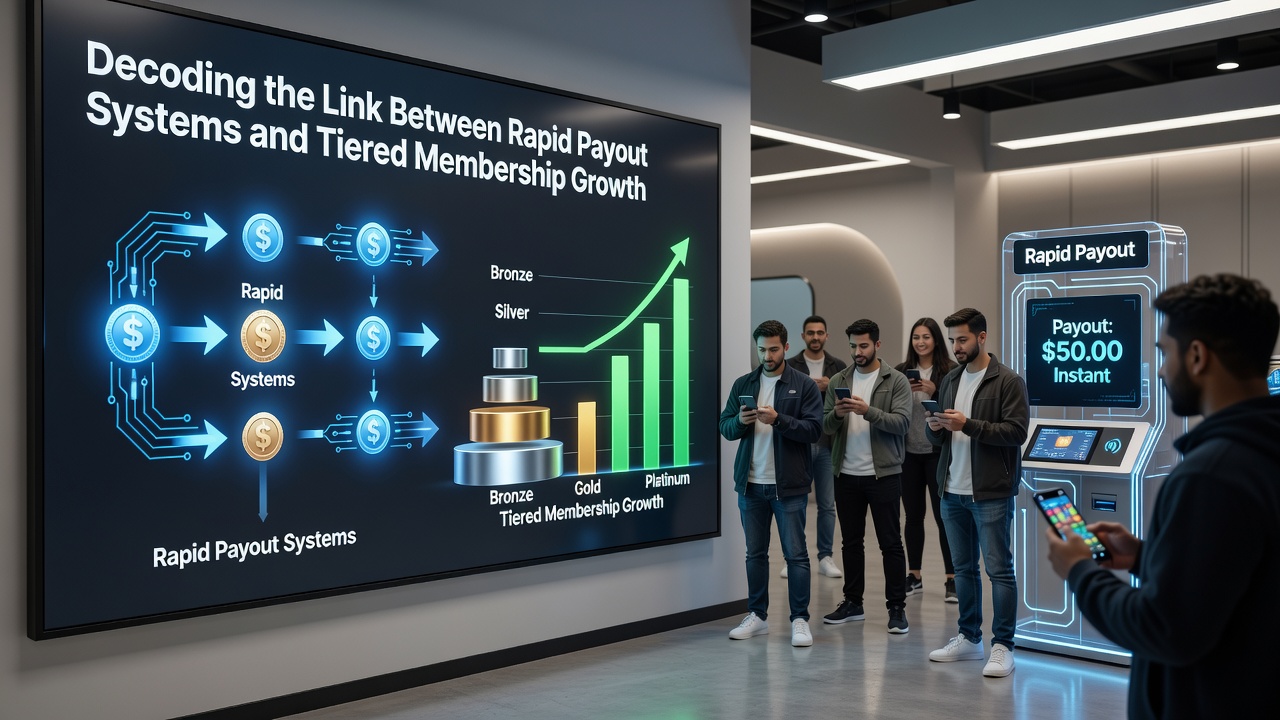
Smartphone-based interactive entertainment venues have expanded their operational models around rapid payout systems that connect directly to tiered membership structures, and researchers tracking these platforms note measurable shifts in user engagement patterns as of August 2026. These systems process withdrawals in minutes rather than days, which aligns with membership ladders where users advance through deposit volumes, play frequency, and retention metrics tracked automatically within the apps.
Core Components of Rapid Payout Infrastructure
Payment processors integrated into mobile platforms handle transactions through encrypted channels that verify user accounts in real time, while platform operators maintain separate ledgers for tier qualification that update alongside each completed payout. Data from industry reports shows that venues adopting these protocols experience higher repeat login rates because users receive funds without extended waiting periods, and this immediacy feeds back into the algorithms that calculate tier eligibility. Observers note that platforms using blockchain-verified transfers or partnered banking APIs reduce friction points that previously delayed progression from basic to intermediate membership levels.
Studies conducted by university research teams have documented how payout speed correlates with the accumulation of loyalty points, since completed withdrawals often trigger bonus eligibility that counts toward higher tiers. In one analysis covering North American and European operators, average time-to-tier advancement dropped when payout processing fell below thirty minutes, and platform dashboards reflect these changes through automated notifications sent to users.
Tier Structures and Qualification Pathways
Membership tiers in these venues typically follow a graduated scale where entry-level users gain access to standard features, while mid-tier participants unlock enhanced game selections and higher withdrawal limits. Advanced tiers grant priority support channels plus exclusive event invitations, and all levels rely on transparent tracking of deposit and activity data synchronized with payout histories. Regulatory frameworks in regions such as Australia require clear disclosure of these pathways, and operators must publish the exact criteria that move users between stages.
Platform analytics indicate that users who complete at least one rapid payout within their first thirty days show increased likelihood of reaching the next tier within the subsequent quarter. This pattern emerges because the confirmation of funds arriving quickly reinforces continued participation, and the system logs each transaction as a qualifying event. Canadian gaming authorities have compiled statistics showing similar correlations in licensed mobile venues, where tier climb rates rose after payout timelines shortened across multiple operators.
Observed Linkages in User Behavior Data
Analytics firms compiling anonymized user journeys report that rapid payout adoption coincides with accelerated tier movement when platforms display real-time progress bars tied to both activity and withdrawal success. Users in intermediate tiers often maintain higher session durations after receiving instant disbursements, because the positive feedback loop encourages additional deposits that count toward the next qualification threshold. Research papers from academic institutions examining mobile entertainment ecosystems have identified these loops through longitudinal data sets spanning multiple years, and the findings point to payout velocity as one measurable variable among several that influence retention.
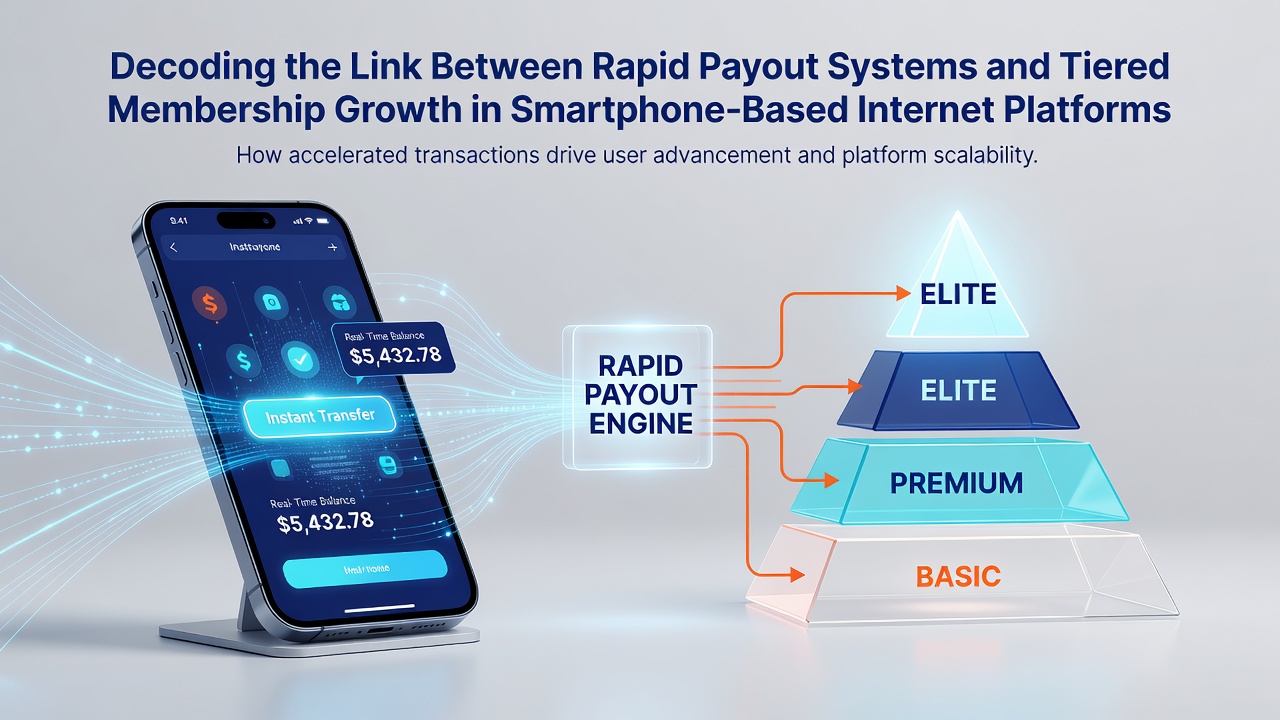
What's notable is how certain venues embed payout speed into their tier benefit descriptions, listing reduced processing times as an explicit reward for reaching higher levels. This approach creates an internal incentive structure where advancement itself improves the speed of future transactions, and data collected through August 2026 shows corresponding increases in cross-tier migration rates. Government agencies in Singapore overseeing digital entertainment platforms have published guidelines that encourage such transparency, requiring operators to separate payout benefits from other promotional mechanics.
Regional Variations and Compliance Factors
Operators in different jurisdictions adapt payout systems to local banking regulations while preserving the connection to tier advancement, and European Union directives on consumer protection require explicit terms around both transaction speeds and membership criteria. In Australia, the Australian Communications and Media Authority monitors how these integrated features affect user accounts, and compliance reports highlight cases where faster processing aligned with clearer tier communication produced steadier progression statistics. Platforms operating across borders must reconcile these rules without disrupting the automated links between payouts and tier calculations.
Industry associations representing mobile entertainment developers have released technical standards that address interoperability between payment gateways and membership databases, ensuring that tier status updates occur without manual intervention after each payout. These standards emerged from collaborative working groups that examined data from multiple markets, and they emphasize audit trails that regulators can review to verify fair progression mechanics.
Conclusion
Evidence compiled through 2026 demonstrates consistent associations between rapid payout capabilities and tiered membership growth across smartphone-based interactive entertainment venues, with the relationship mediated by automated tracking systems and regulatory disclosures. Platform operators continue to refine these linkages through technical integrations that maintain compliance while supporting user advancement pathways, and ongoing data collection from diverse regions provides further insight into how transaction infrastructure shapes participation patterns.