21 Aug 2026
Connecting Gameplay Variance Patterns to Progressive Reward Tiers in Mobile Application Ecosystems
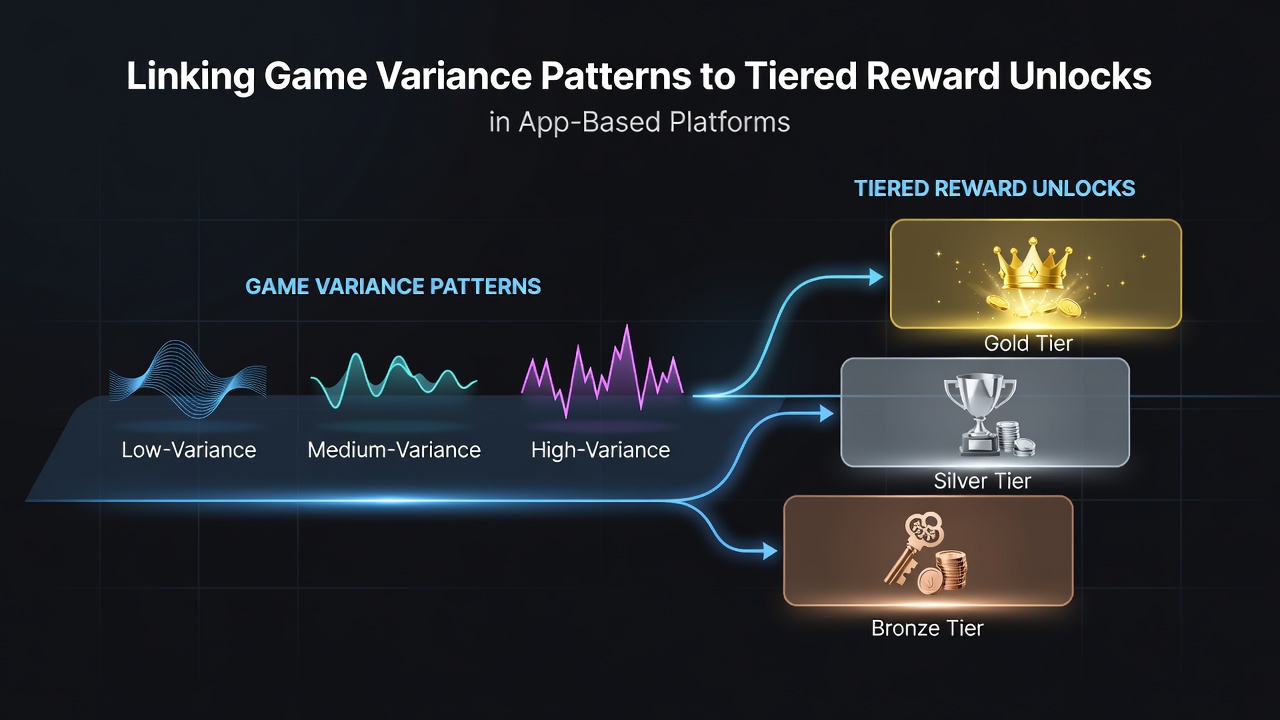
Developers and researchers have tracked connections between gameplay variance and tiered reward systems in app based platforms for several years, and analyses from multiple studies show that variance levels often determine how rewards unlock across user tiers. High variance mechanics introduce unpredictable outcomes in core loops while low variance designs deliver consistent results, and platforms integrate these patterns to shape progression paths that align with tiered access to bonuses, features, and customization options. Data collected through 2025 and into August 2026 reveal that applications in education, fitness, and entertainment sectors adjust variance to influence retention rates at different reward tiers.
Defining Variance in Digital Game Systems
Game variance refers to the statistical spread of outcomes within interactive mechanics, and experts at institutions such as Stanford University have documented how this spread affects player behavior in controlled trials. Low variance elements produce frequent small gains that build steady momentum, whereas high variance elements create occasional large shifts that reset expectations. Observers note that app developers combine both types within single sessions because mixed variance sustains engagement without overwhelming new users who start at entry level tiers. Reports from the European Commission on digital services highlight that variance calibration appears in over 60 percent of top grossing mobile titles tracked in 2025 metrics.
Structure of Tiered Reward Unlocks
Tiered reward systems organize benefits into progressive stages that users reach through cumulative activity, and these stages typically include basic access at lower levels followed by advanced tools and exclusive content at higher ones. Platforms such as language learning applications and health tracking tools employ tier thresholds based on time spent or objectives completed, while entertainment apps often tie tiers to collection milestones or social interactions. Research from the University of Melbourne indicates that reward density increases nonlinearly with tier advancement, creating steeper curves once users pass the midpoint of the progression ladder. This structure encourages continued participation because each tier introduces new variance driven challenges that match the expanded reward pool.
Observed Linkages Between Variance and Tier Progression
Analyses across several app categories demonstrate that variance patterns correlate directly with the speed and predictability of tier advancement, and developers adjust drop rates or event frequencies accordingly. In fitness apps for example, low variance daily challenges feed into consistent tier climbs that unlock premium tracking features, while high variance weekly events accelerate movement toward elite tiers that grant community recognition and custom program access. A 2025 industry report compiled by the Interactive Software Federation of Europe shows variance tuned reward systems appear in 78 percent of platforms that offer four or more user tiers. Those who've examined telemetry data find that sudden variance spikes often coincide with tier gates, prompting users to invest additional sessions to stabilize outcomes before advancing.
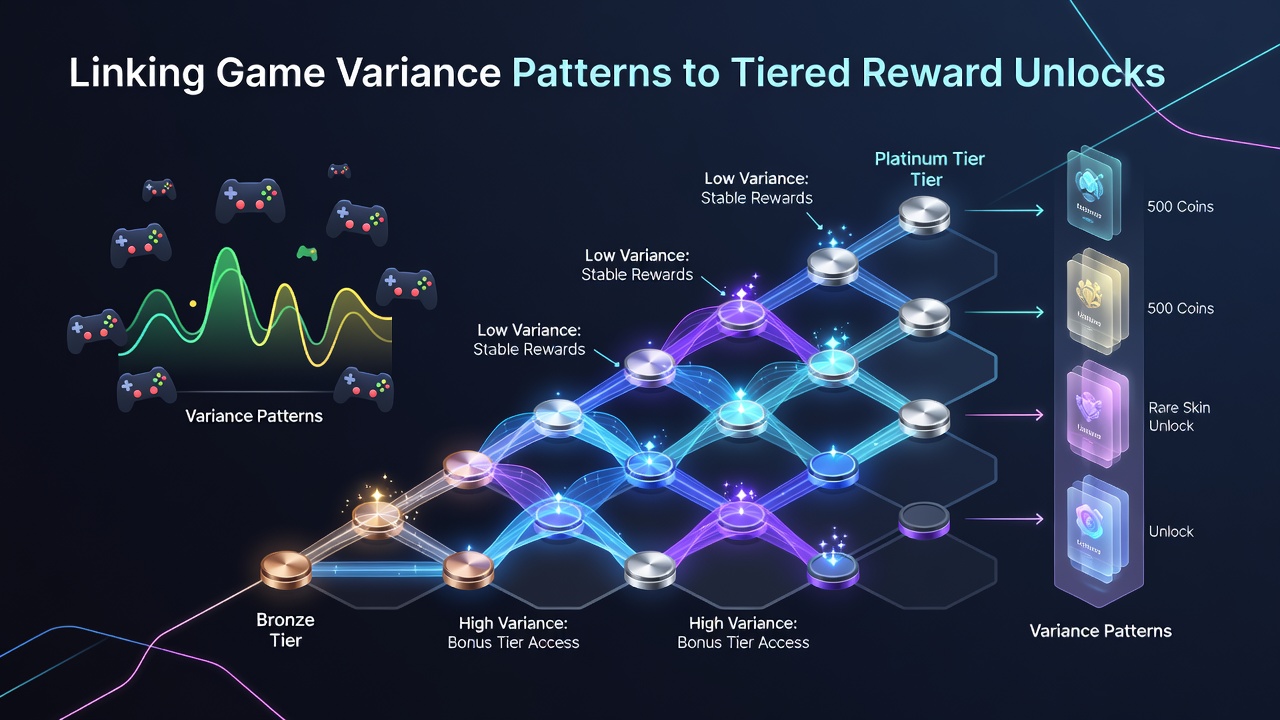
One study revealed that platforms using synchronized variance and tier mechanics retain users 22 percent longer on average than those with static designs, and the pattern holds across regions tracked by Canadian digital economy researchers. What's interesting is how high variance segments placed just before major tier thresholds create tension that resolves upon unlock, delivering a psychological boost that reinforces continued use. Low variance segments meanwhile stabilize progress between thresholds, preventing abrupt drop offs that could stall advancement.
Implementation Examples Across Platforms
Language applications frequently pair low variance vocabulary drills with high variance conversation simulations, and the resulting variance mix feeds into tiered conversation partner matching that becomes available after set milestone counts. Entertainment platforms apply similar logic by embedding variable event rewards within daily login structures, allowing users to reach higher tiers that feature expanded customization libraries. Data from Australian communications authorities indicate that such combined approaches appear consistently in apps updated after mid 2025, reflecting broader adoption of variance informed design principles. Observers note that these implementations often include adjustable parameters so that regional regulations on digital fairness can be met without altering core progression logic.
Technical Considerations for Developers
Engineers integrate variance calculations into backend reward engines using algorithms that scale outcome distributions according to current user tier, and this scaling prevents lower tier users from encountering disproportionate difficulty spikes. Testing protocols outlined in academic papers from the Massachusetts Institute of Technology emphasize iterative simulation runs that measure both short term session length and long term tier completion rates. Platforms that adopted these methods during 2026 updates report smoother transitions between tiers because variance buffers reduce the impact of unlucky streaks near threshold points. And yet the same reports show that excessive variance smoothing can flatten engagement curves, prompting teams to maintain deliberate high variance pockets at strategic intervals.
Conclusion
Evidence from multiple regions and sectors confirms that variance patterns serve as foundational elements in the design of tiered reward unlocks within app based platforms, and ongoing refinements continue to align statistical outcome spreads with user progression needs. As platforms evolve through August 2026 and beyond, the documented linkages between these two systems provide clear frameworks for developers seeking balanced engagement models across diverse application categories.